You can choose from a variety of different types of home insulation, but ultimately your decision will be influenced by the factors listed below:
A resistance value will be assigned to the location of your home in compliance with local building codes. In different parts of the country, R-values differ significantly. For example, a person in Maine would have a lower minimum required R-value than someone in Arizona. All contractors and builders must know the regulations in their respective areas of responsibility. When it comes to floors and walls, the values in Maine are R-19, while the higher R-30s and R-40s are used for roofs. If you live in a milder climate, the parameters for floors, walls, and ceilings are R-10, R-11, and R-19, according to the International Energy Conservation Code.
It is recommended to pick an R-value that is 50 percent higher than the minimum required in order to achieve the highest possible level of energy savings. Use common sense, however, when doing so. Do not blindly rely solely on the builder when putting R-value insulation to any space at any time without considering the consequences. Instead, pay attention to the manufacturer’s instructions.
The types of insulation twin falls Idaho available are basically divided into two categories: those that allow for moisture movement and those that do not. Close-cell foam is a type of foam that is designed to prevent any type of moisture movement.
Slaagloose
Fill is made up of small particles such as fiberglass, foam, fiber, slag wool, mineral wool, rock wool, or cellulose, which are mixed together. Pneumatic guns are used to blow the insulation particles into the ceiling, walls, or attic of a home.
In addition to natural ingredients such as sand, fiberglass is composed of 20 percent to 30 percent recycled glass.
Mineral wool
Primarily composed of by-products from industrial production that have been reclaimed and recycled. In the production of rock wool, blast furnace slag is combined with an alumino-silicate rock (usually basalt) as well as dolomite or limestone.
You may still be able to reap the benefits of this type of home insulation even if you have finished framing the structure. Beginning with incisions between the wall studs, proceed to the blow-in process into the holes, and finally have the holes sealed shut after they have dried. If you require additional assistance for insulation twin falls Idaho, please consult your builder or a qualified professional.
Insulation in the form of a batt
Fiberglass insulation is used in the traditional fiberglass type of home insulation. The fiberglass (which comes in rolls form that are long and pre-cut) is positioned between the wall studs, ceiling and on the floor, to provide warmth. One of the most common reasons for decreased effectiveness is improper handling. In fact, according to studies conducted by the California Energy Commission, even the smallest gap is likely to reduce efficiency!
If you’re interested in finding out which fiberglass batt insulation is ideal for you, speak with a local constructor.
Cellulose Foam with Open Cells
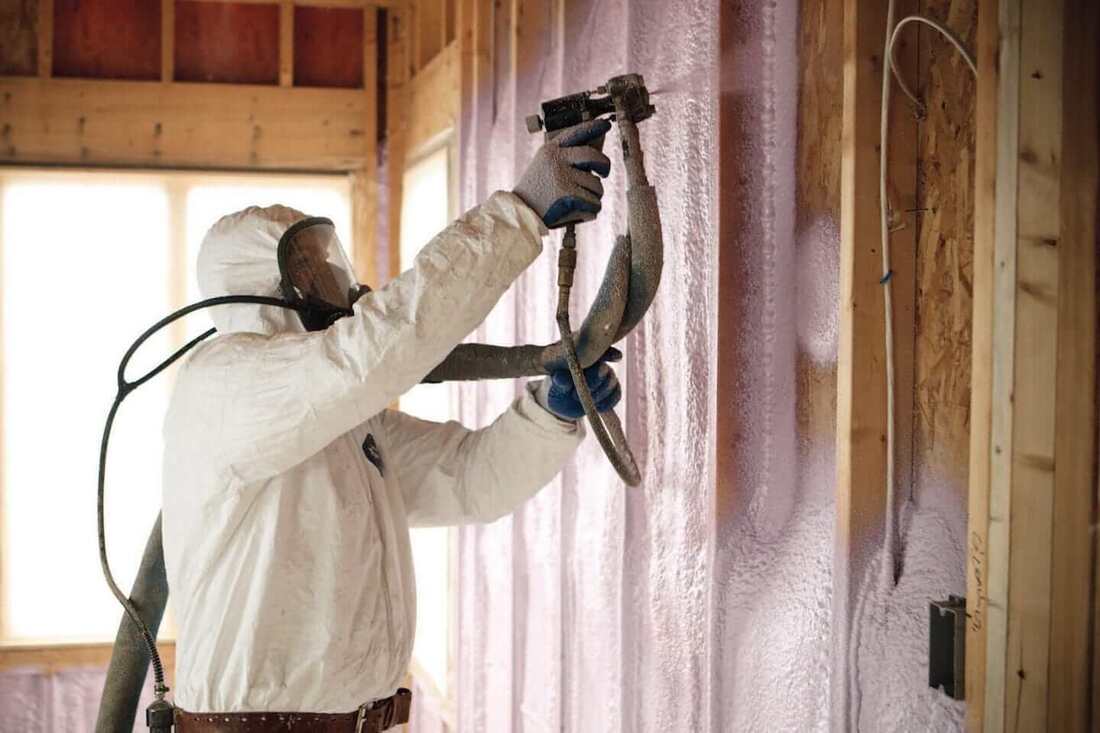
Insulation made of open-cell foam is classified as “soft insulation.” The materials are cut into sheets to suit the available area or sprayed into corners if they are available. The R-value of these sheets is dictated by the thickness of the sheets that make up the structure. Basements and the undersides of vinyl siding are common places to find this sort of insulation.