Achilles Tendon Injuries
An Achilles tendon injury can affect anyone, regardless of their occupation.
Achilles tendinitis occurs when the big tendon that runs down the back of your lower leg gets irritated and inflamed. The Achilles tendon is the most significant in terms of length. It runs from the heel bone to the thigh muscle in the calf.
This tendon is commonly injured. A burning soreness or stiffness in the thigh are mild to moderate symptoms. If the pain is severe, the Achilles tendon may be partially or completely torn. That springy band of tissue at the back of your ankle and above your heel can be felt. It allows you to raise up on your tiptoes and point your toes toward the floor.
Most Common Symptoms of Achilles Tendinitis
Morning soreness and stiffness along the Achilles tendon, pain along the tendon or back of the heel that worsens with exercise, significant pain the day after exercising, thickening of the rotator cuff, bone bruise, and swelling that is present all day and worsens with activity
It’s probable that you’ll hear a popping or cracking sound when your Achilles tendon ruptures. Other possible side effects include swelling and bruising. When you take a step, you may find it difficult to point and push off your toes.
Extra Measures
Achilles tendonitis cannot be prevented, but there are steps you may take to lower your risk:
Gradually increase your degree of physical activity. If you’re just starting an exercise program, begin lightly and build up the duration and intensity of your workouts as time goes on.
Don’t push yourself too much. Don’t run uphill or do anything else that puts too much stress on your tendons. Exercise at a slower speed to warm up before engaging in a demanding activity. Stop and rest if you feel pain while doing an exercise.
Wear-and-tear on your shoes should be replaced as soon as possible. Use arch supports in both shoes if your old ones are in good shape but don’t provide adequate support for your feet.
Make it a point to stretch regularly. Stretching your calf muscles and Achilles tendon before and after exercise will help you stay flexible throughout the day. Achilles tendonitis sufferers should take great care to avoid recurrence of the condition.
Work on building up the muscles in your calves. Strong calf muscles help the calf and Achilles tendon withstand the demands of activity and exercise.
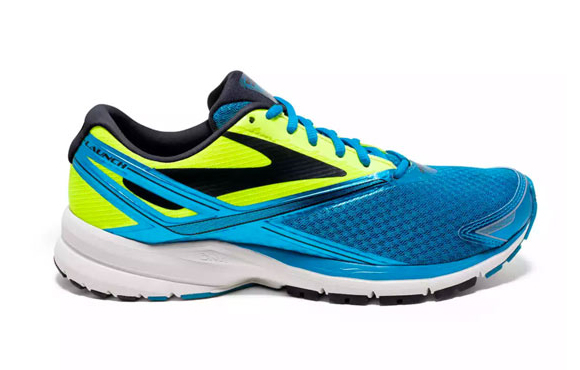
Make sure you pick the right pair of shoes. Sturdy arch support and proper heel cushioning are essential when working out to keep your Achilles tendon from becoming tense. Look for an Achilles tendonitis running shoes
Running with Achilles tendonitis can be difficult, but finding the correct shoe is essential. Running in your normal shoes while your tendon is inflamed can exacerbate the situation.
Running shoes that aid in the recovery process after an Achilles injury footwear with adequate ankle support, a high heel-to-toe drop, and supportive cushioning are preferred. So, go out and look for Achilles tendonitis running shoes.