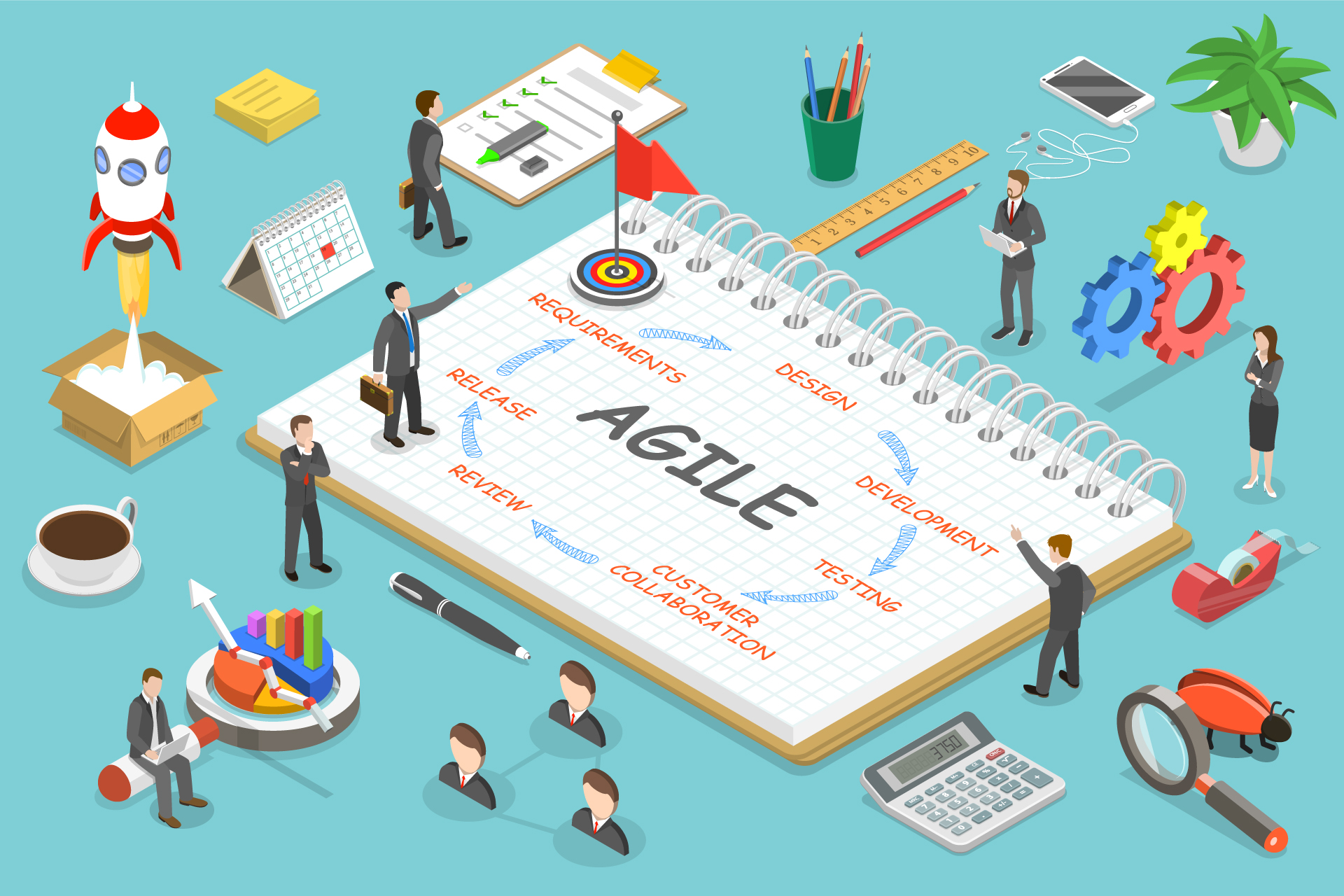
Scrum is an iterative software development framework, and it has gained popularity as an agile project management approach. It utilizes short iterative cycles called sprints to create software applications.
It is a highly adaptable framework, and is known for its high level of customer satisfaction. It is also known for its high level of transparency. Using scrum in your project can benefit everyone involved, including developers, stakeholders, and even your clients.
The Scrum methodology focuses on self-organization in the development process. The team is required to make decisions, and it is governed by a set of rules. Those rules are outlined in the Product Backlog, which is created by the Product Owner.
This framework is also capable of handling project risks and managing teamwork. However, it is important to note that Scrum is not a substitute for traditional project management methods. It requires organizations to rethink their PMM to meet the new requirements.
Scrum is a framework that helps project teams collaborate efficiently. Its simple rules, roles, and events eliminate ambiguity throughout the development process. Moreover, Scrum is adaptable and customizable, meaning that you can make changes as needed. Using the Scrum framework is most effective in projects that are easy to manage and flexible.
When implementing Scrum, artifacts are important in the agile project management process. These are the results of the software development process. They serve as a reference point throughout the project. The three main artefacts in Scrum are the Product Backlog, Sprint Backlog, and Release Backlog. Each of them has a distinct role.
agile projektmanagement focuses on maximizing performance and producing results. It includes metrics that measure team performance and work processes. By using metrics, you can improve the efficiency and quality of the entire process. This is vital when it comes to improving the performance of a product. It also makes teams more adaptable and flexible.
The lifetime of the project is broken up into a series of brief iterations known as sprints when using Scrum. There is a range of one to four weeks for each sprint. The functionality of a product should be increased or improved with each sprint. Moreover, a sprint should never last longer than expected. It is even possible to withdraw from it if the requirements are altered. At the conclusion of each sprint, an intermediate product that is fully functioning and available for review by the customer should be produced. On the basis of the input, the work on the subsequent sprint can proceed.
Following the completion of each sprint, the team gets together to discuss their overall progress. The continual strengthening of collaboration is the purpose of these get-togethers. Collaboration and open communication are at the heart of the Scrum methodology, which places a strong emphasis on achieving successful outcomes for any given project. In addition, the development team concentrates on just one thing at a time. This ensures the highest possible level of efficiency while reducing the need for multitasking.
Scrum is a collaborative process that requires tremendous dedication from team members. It also requires an extraordinary amount of overtime to implement. A growing team may face challenges, so scrum teams are typically small.