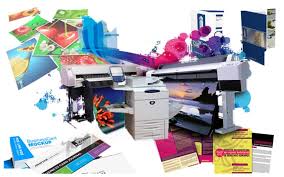
Printing is the backbone of any business. The printed word can instantly convey information to customers, engage them in your product or service, and educate them about your company’s values. So it’s no surprise that when choosing a printer for your company, there are many things to consider.
There are several types of printing processes to choose from, depending on the needs of the project. Choosing one may depend on what you need to print, if you need multiple presses or various paper stocks, how fast you need the job done, and the number of items in your order. These are just some things to think about when choosing a printing service for your business.
What ShouldYouConsiderWhen ChoosingAPrinter?
When choosing a printer for your company, there are many things to consider. There are several types of printing processes to choose from, depending on the needs of the project. Many printers have different specialties, so you can find one that’s perfect for your needs.
For example, if you need to print brochures or large format jobs in addition to smaller items, then an offset printer might be best for you. If you need something that can print quickly and is cost-effective, then a digital press might be suitable.
Many printers offer other services such as design services and finishing options such as die-cutting and embossing. You should consider these when choosing printing services they may provide other services that will help your company grow!Choosing the right printer is just as important as having a strong brand identity and logo design,It will represent your business and all it stands for!
Types OfPrintingProcesses
There are many printing processes to choose from, depending on your needs. The following is a list of the most common types of printing processes:
Offset Printing – offset printing works by transferring ink from an inked surface to the substrate surface. This is called “offset” because one side of the substrate is in contact with the rubber, which will be in contact with the sheet being printed on the other side.
Digital Printing – Digital printing is a type of computer-aided design (CAD) that prints directly onto paper without using ink or toner; it uses liquid or dry pigments and dyes to color text and images.
Screen Printing – screen printing, also known as serigraphy, uses a mesh screen stretched across a frame to print graphics and text on products like posters, T-shirts, bags, banners, signs, and more.
Lithographic Printing – lithographic printing uses gelatin-coated plates for text and line work; it creates sharp detail with minimal background shading.
Letterpress – letterpress includes relief and intaglio styles; letterpress creates raised surfaces with deep reliefs that can range from 3mm to 10mm depending on how long they are pressed into the plate.
Service-SpecificConsiderations
The type of printing service you choose will affect the cost of your project. Therefore, it is important to consider these factors before choosing a service.
For example, if you are looking for a full-service printer that can provide you with digital and offset printing services, pricing may be higher than another print service that only offers one or the other type of printing. If you need a quick turnaround time on an order, then the price will reflect this.