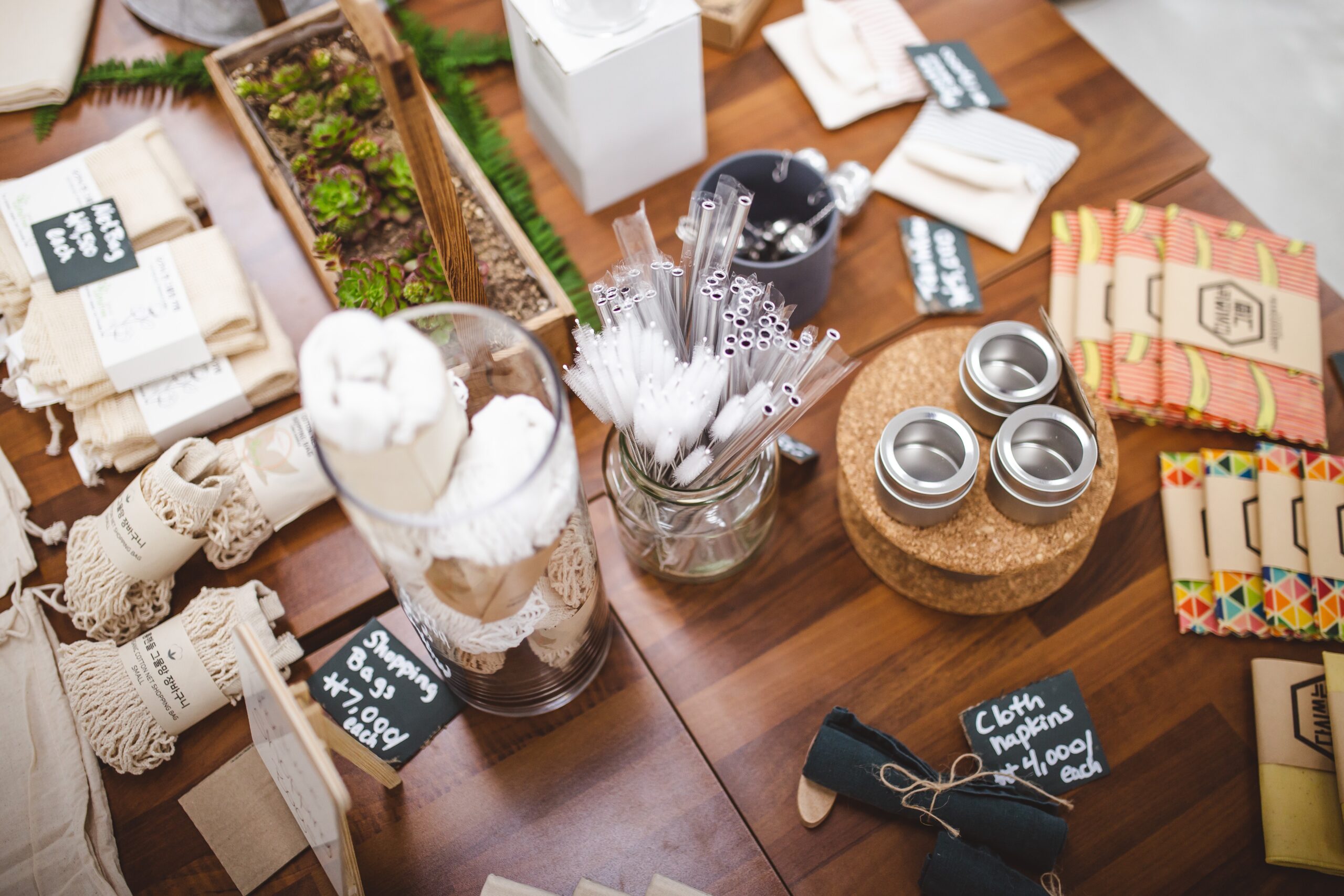
It is wonderful to read of any movement towards environmental consciousness gaining traction among the majority in an age marked by mass production and wastefulness of virtually epic proportions. As a word, “green living” is a way to describe any part of an individual’s lifestyle to reduce pollution, decrease waste, or improve the environment.
A “zero waste” lifestyle is what you get when you combine all of these ecological practices. Zero-waste advocates have discovered the proper mix of eco-friendly items and lifestyle choices, such as those listed above, to produce the least amount of trash possible on a personal level. Biodegradable materials such as cardboard, paper scraps, dryer, vacuum lint, and a large portion of our food leftovers may all be composted.
Reduce or eliminate non-compostable items from your diet to not support mass food production and the large energy expenditures connected with them. Disposables that are biodegradable and things offered in biodegradable packaging may be purchased as alternatives. Reusable canvas shopping bags and Tupperware containers may replace foil and plastic baggies. All of these ideas are simple to adopt and will have a positive impact on both you and the environment.
Every little bit helps, and although “real” Zero Waste living is still some way off, these simple steps have an immediate influence on environmental health and are worth the effort. Because most people in our culture are so used to buying things, moving to a more sustainable lifestyle will need a lot of education and training.
Reduce Waste Significantly
Towels make up a significant portion of paper and cardboard trash. Paper towels constitute a major component of this garbage. As a result, it is essential to examine this sector to lessen your environmental and social impact. Using reusable natural cotton cloths instead of paper towels is a great alternative. The fiber content in paper towels is minimal, making them an inferior product.
As a result, they are typically not recyclable. Composting your old paper towels can help them decompose faster. However, considering the resources, energy, and water used in its production, this still seems a waste. There will just be one thing you have to deal with if you convert to using a cotton cloth instead of many paper towels.
It is expected to persist for many years. However, your natural fiber fabric will biodegrade organically and leave no dangerous elements behind when it inevitably reaches the end of its useful life. Reusable kitchen towels aren’t only good for the environment; they also save you money in the long run. Consider how much money you will save and pat yourself on the back.
You’ll save a lot of money if you don’t use paper towels. To be sure, how much money you save will be directly proportional to how much paper towel you would have used otherwise. The savings will add up over time by eliminating disposable paper towels. Kitchen towels aren’t only for wiping up spills and cleaning kitchen surfaces; they may also be used for other purposes.
In terms of versatility, they can be utilized in various ways. Also, you may use them as napkins for picnics or packing lunches, wrapping delicate objects in your kitchen cupboards or drawers, dusting, or even keeping your windows gleaming clean. Those are only a handful of the numerous instances that might be given. More than you’d think from a towel, they do many things.